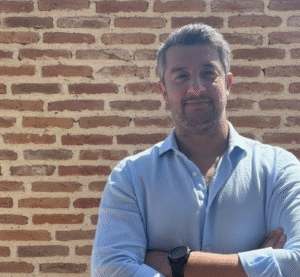
INTERVIEWER: Ozan Akyol
ROLE: Security & Intelligence Analyst
SUBJECT: “Anonymous aka -KMKTZ- Security Researcher”
Q1 – To begin, how would you describe your role? Hacker, researcher, analyst?
A1: I consider myself an ethical security researcher. My job is to understand how systems break, so they can be fixed before a real threat actor discovers the same weakness.
Q2 – Many assume hacking is highly technical. How much of your work is technical vs. human?
A2: It’s 50–50. Technical skills matter, but understanding human behavior, procedural gaps, and organizational weakness is equally important.
Q3 – In your assessments of public institutions, what is the most common weakness you encounter?
A3: Lack of proper input validation, weak authentication, outdated systems, and misconfigured databases. These issues appear everywhere — not just governments.
Q4 – Without revealing sensitive details, can you describe an example of a critical vulnerability you encountered?
A4: One public-facing system processed user input directly into backend logic without adequate filtering. It was an architectural vulnerability, not a complex exploit.
Q5 – Why do these simple weaknesses persist?
A5: Because institutions prioritize new features over secure foundations. Security remains an afterthought.
Q6 – If you had to guess, what percentage of systems you see are vulnerable?
A6: At least 60%. Vulnerable doesn’t mean immediately exploitable, but definitely risky.
Q7 – What surprised you most during your career?
A7: How often sensitive data is protected only by obscurity — not by real security controls.
Q8 – How important is logging in detecting attacks?
A8: Critical. Without logs, it’s like trying to understand a burglary without cameras or fingerprints.
Q9 – What about monitoring? Do institutions actively watch their own systems?
A9: Rarely. Most react only after something goes wrong.
Q10 – In your fictional assessment involving a public portal, what did the institution do right after you reported the flaw?
A10: They responded quickly, validated the issue, patched within 24 hours, and requested a follow-up. That’s the ideal process.
Q11 – Do attackers usually rely on complicated zero-days?
A11: No. Most breaches happen through basic misconfigurations, leaked credentials, or outdated software.
Q12 – How important are secure coding practices?
A12: They are foundational. Without them, no firewall or antivirus will save the system.
Q13 – What role do passwords and authentication policies play in breach prevention?
A13: A huge one. Weak passwords and lack of MFA cause more breaches than anything else.
Q14 – Do institutions underestimate insider threats?
A14: Absolutely. People with legitimate access can unintentionally or intentionally create openings for attackers.
Q15 – What’s your opinion on governments adopting cloud infrastructure?
A15: Cloud is neither good nor bad — it depends on its configuration. Misconfigured cloud setups cause massive data leaks.
Q16 – What’s the single biggest misconception people have about hacking?
A16: That it’s about brute force or “breaking in”. Most of the time, it’s stepping through an open door.
Q17 – How realistic are Hollywood portrayals of hackers?
A17: Not realistic. Real work is slow, analytical, and involves reading documentation and logs for hours.
Q18 – How does an ethical hacker responsibly disclose vulnerabilities?
A18: By documenting the issue, notifying the organization privately, providing steps to reproduce safely, and coordinating the patch process.
Q19 – How do organizations react when they receive a vulnerability report?
A19: Some react professionally, others ignore it, and a few respond with hostility because they don’t understand the intent.
Q20 – What’s the role of continuous training in cybersecurity?
A20: Essential. Threats evolve constantly. Skills from two years ago are outdated today.
Q21 – Which sectors are most vulnerable today?
A21: Healthcare, education, small municipalities, and government services — all heavily digitalized but with limited defense budgets.
Q22 – How important is threat intelligence for institutions?
A22: Critical. Intelligence helps predict attack patterns, understand threat actors, and correlate incidents.
Q23 – Do governments integrate threat intelligence effectively?
A23: Some do. Many still operate in silos, where police, intelligence, and cyber teams don’t share data.
Q24 – What role do red teams play in strengthening national defenses?
A24: Red teams simulate adversaries. Without them, organizations live in a false sense of security.
Q25 – Are attackers using AI-based tools?
A25: Increasingly yes. AI accelerates reconnaissance, pattern recognition, and phishing scripts.
Q26 – What’s the future of cyber defense?
A26: Autonomous detection systems, behavior-based analytics, and stronger identity controls.
Q27 – What advice would you give to institutions trying to improve their security posture?
A27: Start with basics: patching, MFA, segmentation, logging, monitoring. Most breaches happen because these aren’t done.
Q28 – What advice would you give to policymakers?
A28: Invest in cyber talent, not only in technology. People defend systems, not tools.
Q29 – What motivates you to remain an ethical hacker?
A29: Helping organizations improve and preventing large-scale damage is fulfilling. Defense-oriented work matters.
Q30 – Final question: What keeps you up at night?
A30: The knowledge that attackers need one overlooked weakness, while defenders must secure everything.
– Ozan Akyol
Security & Intelligence Analyst
Vienna, Austria